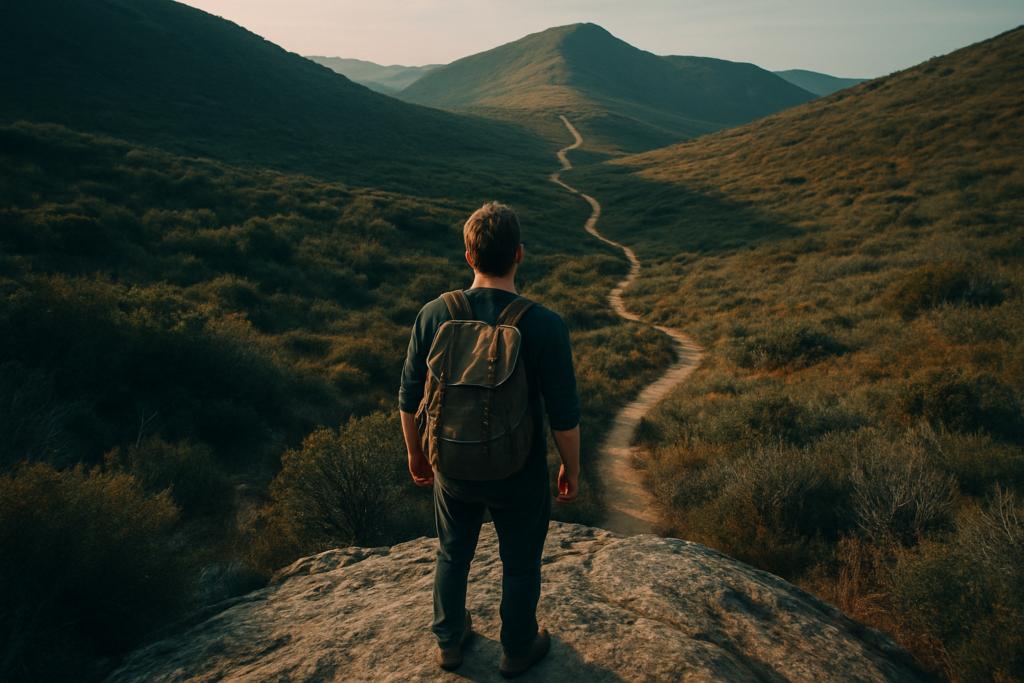
Why These Trails Matter
Not all hikes are created equal. The trails on this list aren’t just scenic they’re defining. Each one demands something different: days, sometimes weeks of grit, purpose, and discomfort. But in return, they give something bigger. The Appalachian Trail tests your physical resolve over thousands of wooded miles. The Camino de Santiago offers quiet, contemplative space laced with centuries of cultural history. Every step in Peru’s Inca Trail traces the legacy of an empire. These aren’t tourist routes they’re rites of passage.
That’s what sets them apart. They don’t just show you landscapes. They strip you down, rebuild your limits, and connect you with something global. You’ll meet people from every corner of the world, all chasing the same thing: clarity, perspective, a moment that pushes them beyond themselves. Completing one of these hikes isn’t just a personal win it puts you in an unspoken club of trekkers who’ve earned the view at the end.
Hiking these trails changes your story. And in the hiking world, that story counts.
The Icons of Long Distance Trekking
The Appalachian Trail (USA): Endurance Meets Wilderness
Spanning over 2,190 miles from Georgia to Maine, the Appalachian Trail is the original test of grit for North American hikers. It’s less about mind blowing views and more about pushing through mud, fog, and muscle burn. Days stretch into weeks. The towns are few, the foot pain is real, and the solo time gets heavy fast. But that’s the draw it’s a raw, unfiltered dive into self reliance and perseverance.
Camino de Santiago (Spain): A Spiritual and Cultural Rite of Passage
Unlike the backwoods solitude of the AT, the Camino trails across Spain reward you with cobblestone villages, café breaks, and a quiet sense of shared purpose. Stretching around 500 miles depending on your route, it’s as much about inner work as outer effort. Pilgrims walk for faith, healing, closure, or curiosity. By the time you reach the cathedral in Santiago, you’ve put your body through something and maybe left some personal baggage behind too.
Inca Trail (Peru): Ancient Pathways to Awe Inspiring Ruins
The Inca Trail’s big moment is Machu Picchu, but the real magic is in the steps leading up to it. You’re hiking literal stones laid centuries ago, snaking through cloud forests and high passes. The air’s thin, the pace’s slow, and the reward is layered scenery, history, and the punch of arriving at dawn to see the sun hit stone.
Te Araroa Trail (New Zealand): Coast to Coast Diversity Packed Into One Country
Te Araroa is no weekend ramble it’s a 1,800 mile epic that threads beaches, volcanoes, forests, and farmland across both islands. Every few days feel like a new country. It’s one of the newest on the list, and the trail is still evolving. That makes it a bit wilder, a bit rougher…but also more alive. Thru hiking the length of New Zealand is a next level badge of honor for trekkers who want variety, solitude, and pure, open country immersion.
Epic Adventures Off the Beaten Path

While well known trails draw the crowds, it’s the lesser traveled paths that often offer the most unforgettable experiences. These rugged, remote routes challenge your limits and reward you with unmatched solitude, surreal landscapes, and stories you’ll tell for a lifetime.
Laugavegur Trail (Iceland)
Known for its otherworldly terrain, the Laugavegur Trail is one of Iceland’s most beloved multi day hikes.
Length: Approximately 34 miles (55 km)
Highlights: Colorful rhyolite mountains, black sand deserts, steaming hot springs, glacier views
Why Go: Experience Iceland’s geothermal might up close this trail feels like trekking on another planet
Best Time to Hike: Late June to early September
Drakensberg Grand Traverse (South Africa)
This ambitious route stretches across the dramatic Drakensberg Mountains and is reserved for serious adventurers.
Length: Up to 140 miles (230 km), depending on the route
Highlights: Towering basalt cliffs, ancient rock art, wildlife encounters, true wilderness
Why Go: It’s one of Africa’s most remote and scenic long distance hikes, with very few marked trails
Best Time to Hike: March to May or September to November
Snowman Trek (Bhutan)
Often dubbed one of the world’s hardest treks, the Snowman is both a physical and mental test.
Length: Around 200 miles (320 km), variable by itinerary
Highlights: 11 high passes over 14,000 feet, isolated villages, views of snowy Himalayan peaks
Why Go: Remote culture meets high altitude endurance. This trek is a rare glimpse into untouched Bhutan
Best Time to Hike: Mid September to early November
Great Himalaya Trail (Nepal)
The Great Himalaya Trail represents the pinnacle of high altitude trekking.
Length: Over 1,000 miles (1,600+ km), divided into sections
Highlights: Everest, Annapurna, Dolpo, and countless hidden valleys
Why Go: Connects all of Nepal’s major trekking regions it’s the master route for hardcore hikers
Best Time to Hike: October to November or March to April
These trails aren’t for the faint of heart but if you’re seeking raw adventure and rare scenery, they deserve a place at the top of your global hiking bucket list.
Planning Like a Pro
Even the most legendary trail can turn miserable if you’re underprepared. Knowing when to go, what to bring, and how to train can make the difference between an unforgettable adventure and a grueling misstep. Here’s how to plan like a seasoned trekker.
When to Go: Know the Seasons
The best time to hike varies dramatically by region and getting this wrong can lead to bad weather, closed routes, or even dangerous conditions.
Appalachian Trail (USA): Late spring to early fall
Camino de Santiago (Spain): April to September for ideal weather and cultural festivals
Inca Trail (Peru): Dry season (May to September) is best; avoid the February closure
Great Himalaya Trail (Nepal): March May or late September November
Always double check local conditions and permit requirements before booking anything.
Don’t Leave Without This Gear
Missing even one critical item can derail your trek. These essentials go beyond the basics:
Layered clothing: Lightweight, moisture wicking, and adaptable to changing temps
Trekking poles: Especially essential on steep or unstable ground
High quality footwear: Blister proof, broken in, and built for your terrain
Water filtration system: Don’t rely on bottled water in remote areas
Satellite communicator: A must in low signal zones
Train for the Real Thing
Elevation and distance aren’t just numbers they’re physical challenges your body needs to meet ahead of time.
Simulate hikes: Practice on similar terrain and under a loaded pack
Incorporate elevation gain: Hills, stairs, or weighted treadmill climbs help
Cardio & strength: Endurance is key, but don’t forget leg and core workouts
Adjust to altitude: If your trail is above 8,000 ft (2,400m), train or acclimate beforehand
Pace Yourself on the Trail
Multi week treks demand strategy, not sprints. Burnout is real and avoidable.
Start slow: Let your body adapt in the first few days
Rest days are productive days: Build in time to recover (and enjoy the view)
Listen to your body: Soreness is normal. Sharp pain isn’t.
Fuel up wisely: Balanced meals and hydration keep you going long term
Taking your dream hike seriously means preparing with purpose. Smart planning turns daunting distances into achievable milestones step by step, trail by trail.
Level Up Your Wanderlust
You’ve read about legendary trails and off the grid adventures now it’s time to take the next step. Whether you’re dreaming of your first big thru hike or planning your third passport stamped expedition, 2024 could be the year you make it real.
Choose Your Challenge
The first move? Commit.
Pin one legendary trail on your calendar
Block out the time life won’t slow down unless you make it
Start light research now and let the excitement fuel your planning
Keep the Wanderlust Alive
The list doesn’t end here. There’s a whole world of footpaths waiting.
Discover more unforgettable routes from our Bucket List Hikes guide
Read trail stories, prep tips, and gear reviews to fuel your journey
Bookmark it for future planning when inspiration strikes again
Share the Journey
One of the best parts of any hike is passing the experience along.
Document your trek with photos, journals, or a trip blog
Share tips, mistakes, and milestones to inspire others
Your story could help someone else take that first step
In the world of hiking, every footstep counts and every shared journey helps build a trail for the next adventurer.
Where to Go Next
Still have that itch to keep going? That’s the spirit. The world is bigger than any single trail, and if this list sparked something deeper the need to see more, climb higher, wander further don’t stop here. Check out even more life changing bucket list hikes and start sketching out the next chapter.
Because let’s be honest your boots weren’t made to sit by the door. They were made to get wrecked, muddied, and pushed to their limits. Whether it’s an ancient pilgrimage, a punishing climb, or just the quiet kind of trail that resets your soul, the next adventure is already waiting for you. All that’s left is to answer the call.