The Myth About “Cheap” Hiking Gear
Cheap doesn’t mean junk not anymore. The outdoor gear market has changed. Innovation isn’t locked behind a high price tag, and smart manufacturers are delivering performance gear without the brand tax. Thanks to global suppliers, better materials, and online marketplaces, hikers can get solid equipment for a fraction of what they used to spend.
Many budget options now come from smaller companies competing directly with big names. They cut out the fancy packaging and marketing fluff, but they don’t cut corners where it matters. Durable stitching, reliable zippers, waterproof coatings, and breathable fabrics these things don’t have to come at premium prices.
What matters most isn’t who made it. It’s weight, comfort, fit, and whether the gear works when conditions turn sideways. Price is no longer a foolproof signal of quality. Instead of chasing logos, look for tested materials, design that makes sense on the trail, and feedback from people using the gear in real conditions. That’s where value lives.
Essentials That Go the Distance
You don’t need to drop hundreds to get gear that holds its own on the trail. Start with boots. Durability, traction, and ankle support matter more than the logo stitched on the side. Look for options with aggressive tread and reinforced uppers. Brands like Merrell and Quechua (yes, the budget line from Decathlon) have models under $100 that can take a beating.
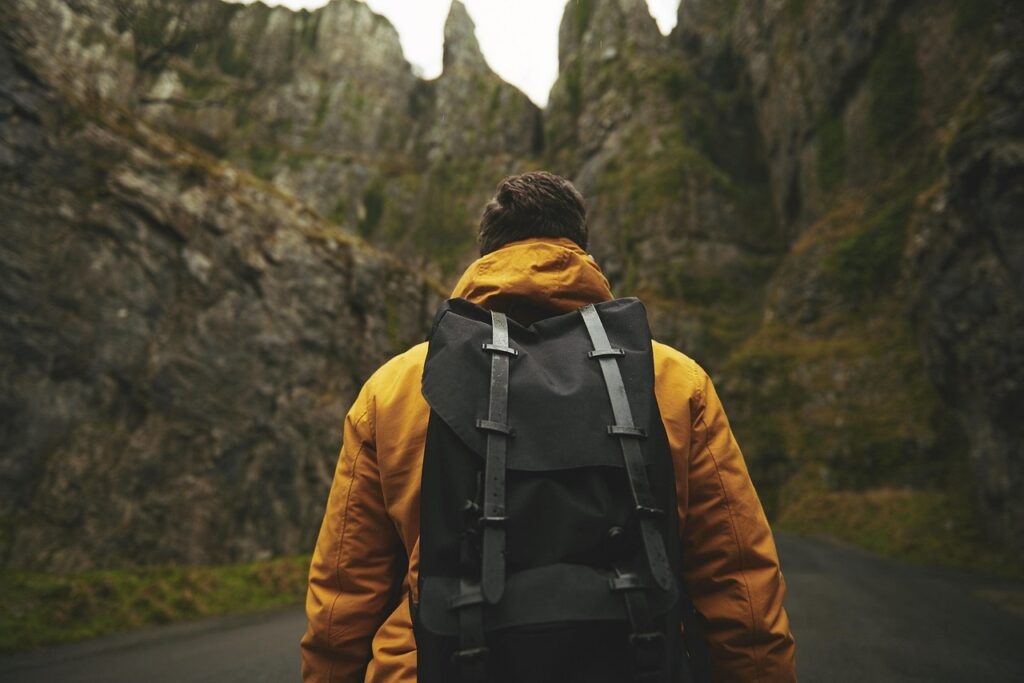
Backpacks are another spot where smart shopping pays off. Skip the ultralight stuff unless you know what you’re doing what you want is something weather resistant with solid stitching, padded shoulder straps, and a decent frame. Brands like Teton Sports and Mountaintop offer reliable packs that won’t split halfway through a rainy hike.
Last, dial in your layering. Forget big name tags focus on function. Base layers should be breathable and wick like hell no cotton. Polyester or wool blends from lesser known brands like TSLA or Baleaf do the job at a third of the cost. The key is knowing what to wear and how to wear it, not what you paid for it.
Smart Safety on a Budget
You don’t need to drop serious coin to stay safe on the trail. These days, a $20 headlamp can outperform last decade’s premium options. Look for models with at least 200 lumens, solid battery life (think 20+ hours on low mode), and an IPX4 weather resistance rating or better. Brands like Energizer, Nitecore, and Black Diamond all have budget options that hold up when things get damp or dark.
Multi tools are another budget win if you choose wisely. No, a $15 Amazon special won’t rival a $100 Leatherman, but it doesn’t have to. For basic trail needs cutting cord, opening packaging, small repairs choices like the Gerber Dime or Roxon’s mini tools hit the mark. Just make sure the materials aren’t paper thin steel.
As for water? There’s no excuse to go unfiltered. Sawyer’s MINI and the LifeStraw are both under $30 and trusted by thru hikers, weekend campers, and casual backpackers alike. They weigh next to nothing, fit in your side pocket, and work when it counts. Safety doesn’t have to break your budget it just takes smart picks.
Best Budget Accessories Worth Every Penny
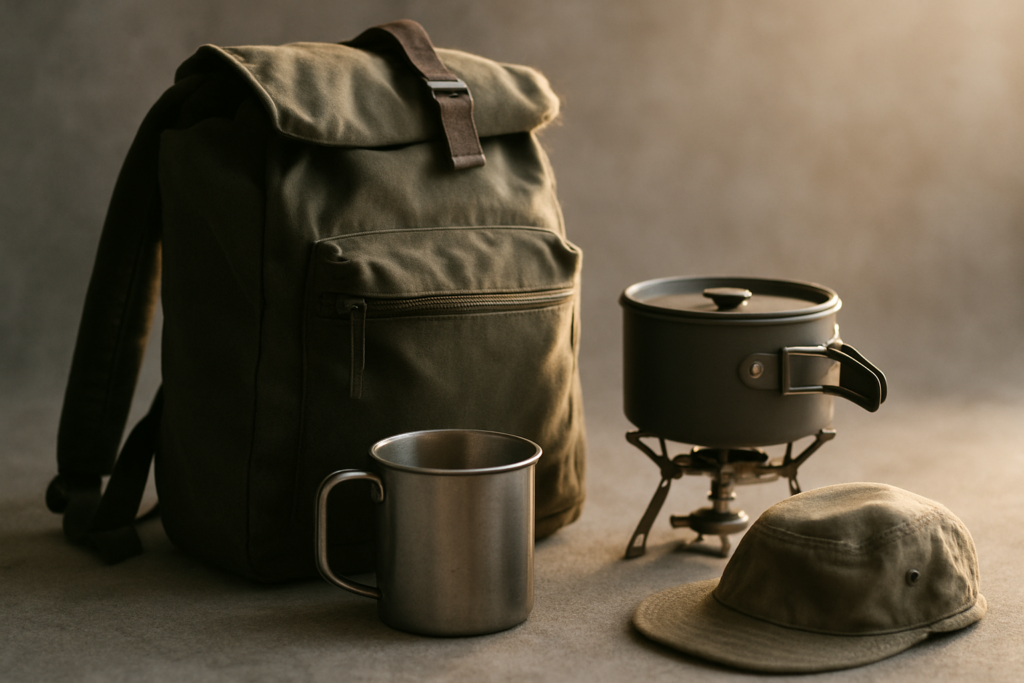
You don’t need to drain your savings for gear that works in rough terrain. There’s solid trail magic in the under $50 category if you know where to look. Think ultralight trekking poles that collapse down to pack size but still handle rocky switchbacks. Or compact cook kits that boil water fast and nest into themselves like a Russian doll, saving space and weight.
Other standouts include microfiber camp towels that dry quick and weigh almost nothing, and carabiner mugs or collapsible utensils that make meals on the trail a whole lot easier. A no nonsense foam sit pad? Your future self will thank you when the ground’s cold or wet.
These aren’t luxury extras they’re smart upgrades that pull their weight without costing much. For a full list of accessories that seasoned hikers swear by, check out our top picks here: budget trail accessories.
How to Choose: Performance Over Branding
Just because something’s cheap doesn’t mean it’s a deal. There are a few red flags budget hikers learn to watch for. First, avoid gear with vague materials listed if it just says “metal” or “fabric,” that’s not enough. Look for specifics like aluminum alloy or ripstop nylon. Next, skip anything promising “military grade” without context usually marketing fluff with no testing to back it up.
Specs should be clear and functional. For example, a waterproof jacket should note its hydrostatic head rating, seam sealing, and breathability (like 10,000mm/10,000g). With backpacks, focus on weight capacity, frame structure, and strap comfort not the number of zippers. Flashy design means nothing if it falls apart halfway through the trail.
And forget sponsored hype. Peer reviews especially on forums, YouTube deep dives, and long term update threads tell you what actually holds up after months of use. A high end name doesn’t guarantee quality, but a no name product with hundreds of field tested thumbs up? Worth a closer look.
Tried and Tested: Community Approved Gear
Budget conscious hikers aren’t just making do they’re sharing wins. Scroll through any decent gear forum or Reddit thread, and you’ll see the same brands and models coming up again and again. Not because they’re trendy, but because they’ve survived rainstorms, rocky switchbacks, and freezing mornings.
Take the $40 trail shoes that hold grip better than some triple digit options. Or those no frills stove kits that fire up at altitude without flinching. People aren’t just reviewing these tools they’re defending them like loyal companions. Real world usage counts, not just spec sheets.
Season after season, certain jackets, water filters, and trekking poles keep showing up in trip reports with phrases like “held up better than expected,” or “outperformed my old high end gear.” These stories speak louder than any marketing video.
If you’re after gear that walks the talk (literally), check out our roundup of budget trail accessories. It’s gear chosen by hikers who live it, not just talk it.
Final Word: Buy Smart, Hike Safe
Hiking doesn’t have to burn through your savings. The sweet spot is gear that’s lightweight, reliable, and safe without costing a fortune. The myth that you need premium brands to stay protected on the trail is just noise. Smart hikers know where to direct cash, and where to hold back.
Spend on boots that grip and don’t fall apart after one season. Buy that headlamp that’ll last through three nights of rain. Invest in a solid base layer that actually dries fast. But skip the overbuilt packs with flashy logos and the $200 titanium mug those add weight without real value.
Stay sharp, stay safe, and keep your pack (and budget) lean. Good gear doesn’t have to be expensive. It just has to work when it counts.