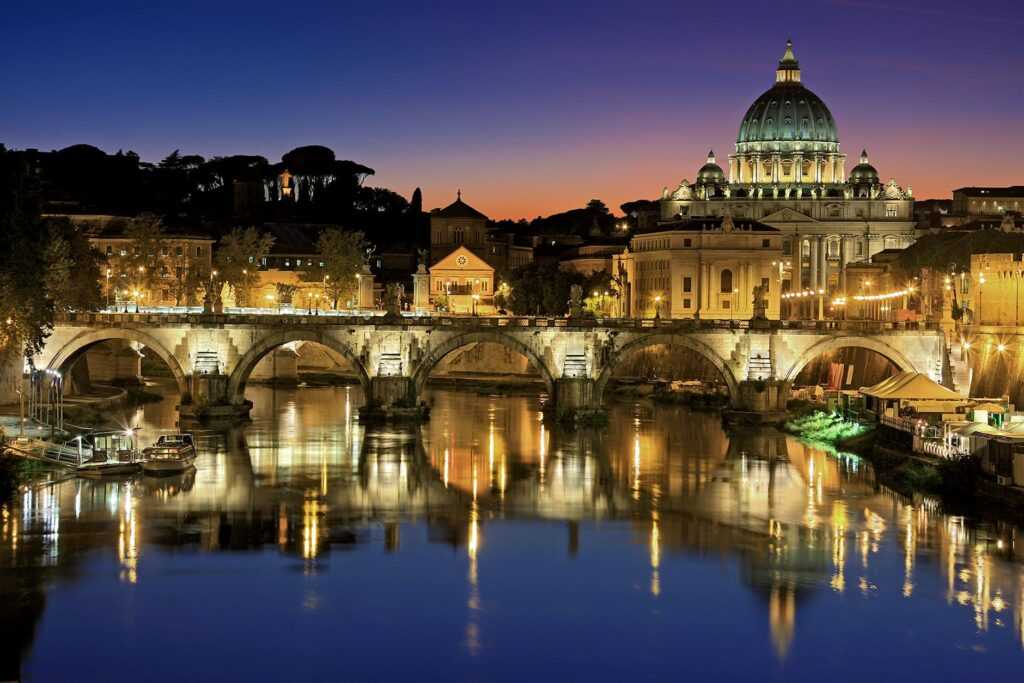
Rome is a city that can easily overwhelm a visitor. It is loud, crowded, and packed with monuments on every corner. Many tourists rush from the Colosseum to the Vatican, trying to see everything, but often missing the details that make the Italian capital truly unique. Rome is not just a collection of ancient ruins; it is a complex city where the past is constantly reused to build the present.
To understand the real character of Rome, you need to stop treating it like a museum and start looking at the small traces left by history. Here is a guide to the details that tell the true story of the city.
The Colosseum was a quarry, not just an arena
When you stand before the Colosseum, do not just admire its size. Look closely at the stone facade. You will notice thousands of holes in the structure. Many people think this is damage from wars or weather, but the truth is more practical.
For centuries, the Colosseum was treated as a source of building materials. The holes are where Romans drilled into the stone to extract iron clamps, which they melted down for other uses. The marble from the facade was stripped away to build Renaissance palaces and St. Peter’s Basilica. This “recycling” of history is typical for Rome. The city literally devoured its past to build its future, and understanding this changes how you view every monument in the historic center.
Water is the true power of Rome
While the ruins are impressive, Rome’s true mastery lies in its engineering of water. You can see this clearly at the Pantheon. It is famous for its massive dome and the “oculus”—the hole in the center of the roof. It is the only place where you can watch the rain fall inside a building. But the floor below is slightly curved and has original drain holes that have been working perfectly for nearly 2,000 years to keep the temple dry.
Another sign of this engineering genius is on the streets. You do not need to buy bottled water in Rome. The city is full of small fountains called Nasoni. The water flowing from them is cold, fresh, and safe, coming from the same aqueduct system that has served the city since antiquity. It is a luxury that locals take for granted, but for a visitor, it is a reminder of Rome’s enduring infrastructure.
Where Caesar meets the cats
Rome has a unique way of mixing solemn history with everyday life. A perfect example is Largo di Torre Argentina. This is the site of the Theater of Pompey, the exact location where Julius Caesar was assassinated. You might expect a grand memorial at such a pivotal historic spot.
Instead, the ruins have been taken over by the city’s cats. The site serves as a sanctuary for stray animals, which are protected by Roman law. Seeing a cat sleeping on an ancient pillar right where the Roman Republic fell is a quintessential sight. It proves that in this city, life always goes on, indifferent to the weight of history.
The best way to explore
You can walk through Rome with a guidebook and read facts, but you will miss the context that ties these eras together. To truly understand why the city looks the way it does, it is worth listening to a narrator who can connect the dots.
If you value engaging storytelling over dry dates, the Welcome to Rome Tour is an excellent choice for an introduction.
This tour operates on a “Pay What You Wish” basis. It is a guarantee of quality: you are not forced to pay a fixed price upfront for a service you haven’t tested. Instead, you join a local expert, and at the end, you decide the value of the experience yourself. This creates a fair relationship where the guide is motivated to make your time in Rome truly worthwhile.