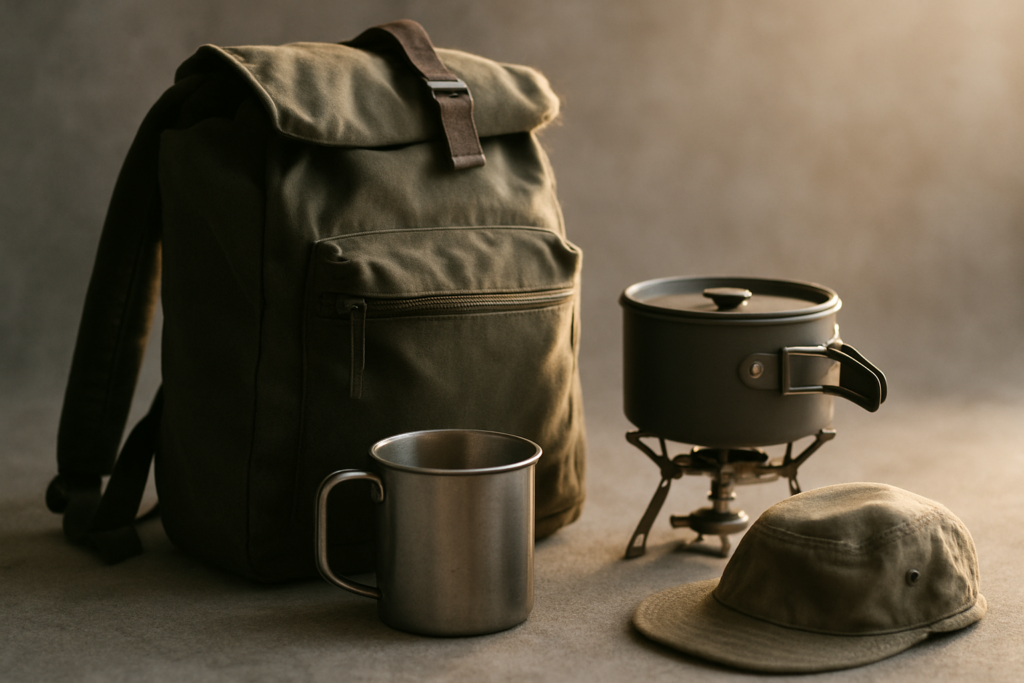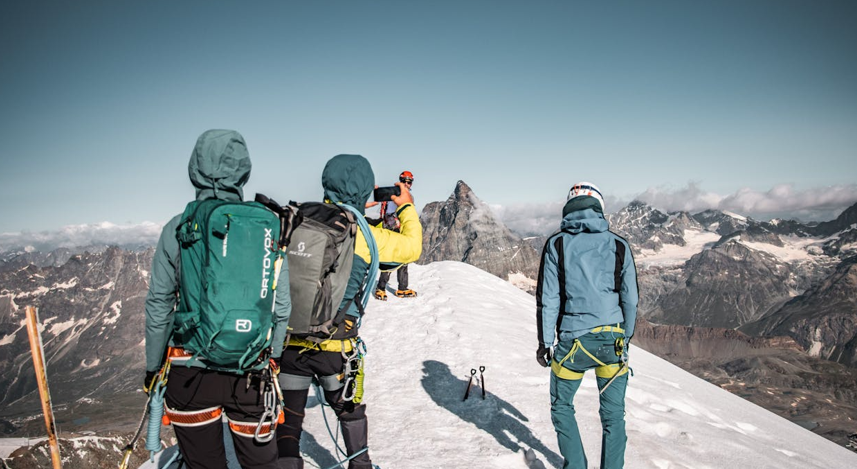
Mountaineering and other outdoor activities are ideal for adventure enthusiasts. These activities offer a chance to have fun, test your strength, experience an adrenaline rush, and experience new emotions. You can even organize these activities yourself. The key is choosing the right equipment. It will help you avoid discomfort, simplify various tasks, and maximize safety.
What to consider when choosing?
Selecting equipment for any activity requires considering several basic criteria. Mountaineering is no exception. All mountaineering enthusiasts should consider the eight key factors that determine the usefulness of the chosen product. Below is a brief overview of each.
Intended activity
When choosing gear, the most important thing is to determine the type of activity you intend to undertake. Based on this, you’ll need to look for suitable products, items, and essential accessories. In this process, it’s crucial to adhere to the rule of appropriateness. For example, a mountaineering backpack should be used exclusively for this activity and not taken on hiking or biking trips on unpaved trails. Ignoring this rule can lead to various complications that are impossible to anticipate (for example, inappropriate gear may interfere with specific actions specific to a particular outdoor activity).
Equipment safety
Mountaineering equipment must be safe. This axiom must be taken into account when choosing various products; otherwise, trouble is only a matter of time. To find truly safe equipment, the first step is to check the product’s certificate of authenticity. Without this document, it will be unsafe to use. It is also essential to verify that the equipment complies with current UIAA (International Union of Alpine Associations) and other recognized standards. Only then will it be truly safe to use. The equipment’s service life is another crucial factor. Products used beyond the manufacturer’s stated lifespan automatically become unsafe. A similar principle should be applied when choosing equipment for other outdoor activities.
Materials
The quality of the materials used in mountaineering and other outdoor gear is a key selection criterion. It determines the reliability and durability of a given product. Ideally, the gear you choose should be made of modern materials that deliver excellent performance and retain their properties over an extended period. This will minimize the likelihood of equipment-related issues. If modern products aren’t available, choose models made from time-tested materials (for example, when searching for a carabiner, consider steel or aluminum alloy). These materials will definitely not let you down.
Size and weight
Mountaineering is an activity where every millimeter or gram matters. Therefore, size and weight are essential criteria when choosing equipment for this activity. The lighter and more compact the product, the easier it will be to use, and the risk of discomfort will be minimized. However, it’s important not to overdo it. Minimizing equipment size and weight can reduce functionality. However, maintaining a certain balance will ensure the perfect result. Similarly, gear for other outdoor activities should be selected. For example, when searching for thermal binoculars for hunting, consider lightweight models with minimal decorative elements and unnecessary accessories. This will ensure maximum comfort, and holding it in your hands or carrying it in a backpack for extended periods will prevent fatigue.
Ergonomics
Mountaineering enthusiasts know that ergonomics is one of the most important criteria when choosing any gear. Only ergonomically designed products will be easy to use and comfortable. To select an ergonomic product, you need to pay attention to every detail. For example, when searching for the right backpack, check the adjustability of the straps and harness, determine the center of gravity and pressure points on different parts of the body, and so on. It’s also essential to test the gear before purchasing. If this isn’t possible, at least read user reviews on independent online sites.
Weather conditions
Although the weather isn’t directly related to equipment, it does affect its performance. Therefore, mountaineering and other outdoor enthusiasts shouldn’t neglect this criterion. The products in question must be suitable for use in any environmental conditions. To achieve this, they must be protected from moisture, cold, dust, temperature fluctuations, and other elements. The longer this list, the better. However, it’s always important to weigh the level of protection against external influences against other essential criteria. Sometimes, in an effort to make products as weather-resistant as possible, manufacturers produce designs that are very heavy, bulky, and difficult to use. Such gear, while not resistant to external influences, will also be of no use to its owner.
Reliability
No mountaineering enthusiast wants to be stranded in a dangerous area without essential equipment. Therefore, to minimize the risk of such a situation, it’s necessary to choose the most reliable products. They won’t let you down at the most crucial moment. Finding reliable gear among the many similar models is difficult, but not impossible. To do this, pay attention to the materials used, the quality of the components, the precision of assembly, and the presence or absence of weak points. Only then will you be able to find a product that is reliable not only in the seller’s words, but also in reality.
Manufacturer and cost
Good doesn’t always mean expensive. This applies to many types of products, but not to mountaineering gear. Truly high-quality products will never be found in the budget category. This is due to the high costs of manufacturing and testing products under specialized conditions. Also, high-quality gear is unlikely to be available from unknown manufacturers. Only companies with a strong reputation and extensive experience in this segment can create truly high-quality products. Fans of other outdoor activities can also consider this criterion when choosing suitable gear. This should be done only when the intended product ensures user safety.
Selection recommendations
Choosing gear is always a difficult task. It can only be simplified by following the advice of experienced mountaineers and other outdoor enthusiasts. The most important of these is to choose based on your skill level. Overly complex equipment will pose a challenge for beginners who lack the necessary experience and skills. Conversely, basic gear is unsuitable for professionals. It won’t render them useless, but it will limit their capabilities.
Furthermore, it’s important to always test gear before choosing it. This is the only way to determine how useful it will be in real-world conditions. For example, when buying a backpack, try it on and perform various actions (such as simulating a slope climb). If you experience any discomfort, it’s best to discard the product and consider other models.
The following recommendation is always to read the equipment descriptions. This tedious task will provide you with vital information to prevent issues with the selected products. Pay particular attention to parameters such as maximum load, service life, acceptable operating conditions, and storage and transportation requirements. Another important aspect is safety. It is recommended to pay maximum attention to it, even if you are a seasoned professional. This means that everyone who goes mountaineering should choose the best equipment. Skimping on equipment can cost your health or even your life.
Mountaineering, like other outdoor activities, is a unique experience. It allows you to experience oneness with nature and experience unforgettable emotions. To achieve maximum results, you need to choose the right equipment. Even a beginner can do this by considering relevant criteria and best practices. With the necessary equipment, everyone can enjoy the activity and experience it for a long time.