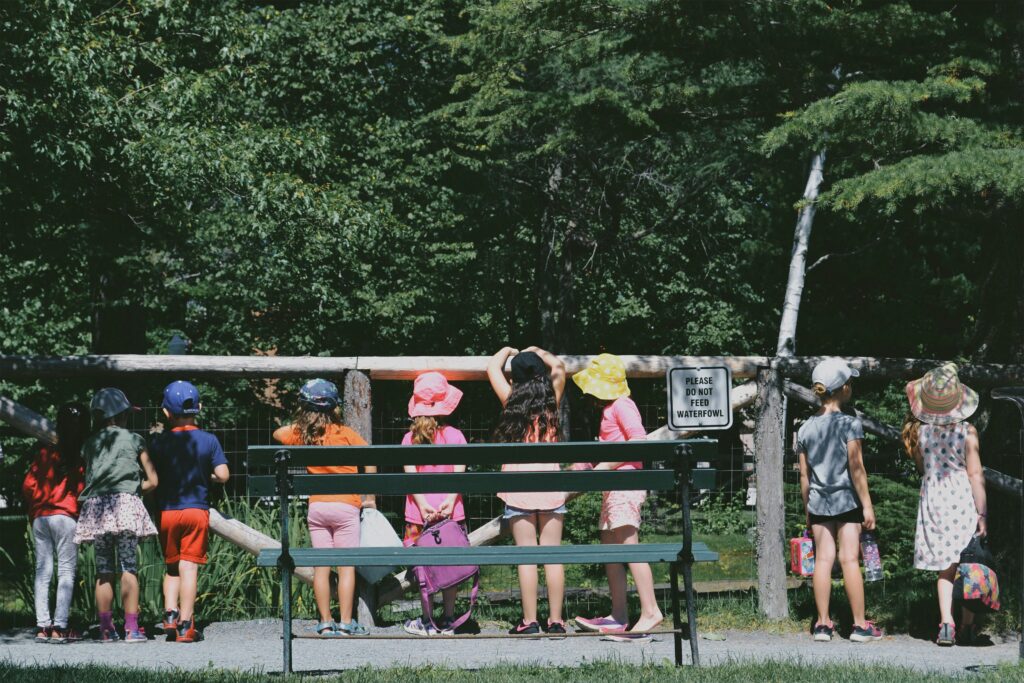
Beyond Classrooms offers a fresh way for students to learn beyond the usual classroom setting. Schools can choose from international trips that match their lessons, helping students see how what they study applies in real life. Each trip is guided by experienced educators, giving students the chance to explore new cultures and environments they wouldn’t experience at school.
These trips offer more than just travel. Students understand their lessons better through hands-on experiences and learn skills like problem-solving and critical thinking. They also build confidence, independence, and social skills as they interact with new people and places. After these journeys, many return more engaged, curious, and eager to learn about the world around them.
The Concept of Learning Beyond the Classroom
Outdoor learning experiences, often called learning beyond the classroom, involve planned educational activities outside the usual indoor setting. These activities are all about getting students involved, enriching what they’re taught, and giving them valuable skills through hands-on moments in real life. Many educators and organizations now recognize the importance of the value of learning experiences outside traditional classroom walls, emphasizing how such approaches can deepen student engagement and achievement.
Such experiences aim to build critical thinking, encourage physical health, boost emotional resilience, and help young people develop stronger social connections.
Looking back, outdoor learning is rooted in educational philosophies like those of John Dewey, who championed learning by doing. The value of taking lessons outdoors has grown globally; today, it’s widely seen as an ideal way to support traditional teaching. By helping students connect with nature, these lessons also give them a much-needed break from stress, supporting their mental well-being. There’s clear evidence it works: pupils who spend more time learning outside usually do better in subjects like maths and English. For example, 92% of teachers involved in the UK’s Natural Connections project said outdoor lessons improved their classes’ engagement.
Modern education is seeing more initiatives focused on widening access to outdoor learning. Take the Outdoor Equity Initiative, for example, which shows how these opportunities can play a big part in helping everyone reach their potential regardless of background. These activities aren’t seen as an optional extra anymore; they’re now recognised as vital for a well-rounded education that brings together academic and emotional growth.
Benefits of Outdoor and Experiential Learning
Getting students outside changes the game. Lessons take on a new energy and suddenly the curriculum becomes far more relatable. Maths, science, and even creative writing all come alive when students can point to a flower, measure a tree’s shadow, or write about the world just beyond their classroom window.
A quick move outdoors can breathe life into dry topics. Watching children spot insects in the grass or measure angles on playground equipment, you see textbook facts connect with their own discoveries. This method taps into natural curiosity and encourages real questions, making students more active partners in their learning. Away from their desks, students often take more responsibility for understanding, which leads to deeper insight.
Learning outside is also fantastic for well-being. Nature has a calming effect, helping students find focus and easing classroom stress. Physical activity, even something as simple as walking round the grounds, boosts circulation and concentration. Being outdoors gives students who might struggle inside a fair shot to shine, letting them move, see, hear, and touch as part of the lesson. Children also tend to talk and work better with each other, creating a sense of teamwork and belonging that carries back inside the school.
Implementing Beyond the Classroom Programs
Curriculum Integration
Linking outdoor experiences with the curriculum works best when activities are clearly connected to topics students are studying, an approach strongly supported by Beyond Classrooms. One approach is to plan outdoor sessions that match up with specific learning aims from each subject. These activities make lessons more memorable because students see how things work in real situations, not just on paper.
Take geography: a trip into the countryside lets students study landforms and ecosystems up close. For environmental science, local conservation work is a chance for pupils to roll up their sleeves and tackle genuine environmental questions, putting what they’ve learned into practice.
History becomes much more vivid with visits to castles or archaeological sites. Students can see artefacts and buildings that relate directly to historical events, making the past feel real and helping them remember important details. When it comes to language or literature, changing the setting sparks creativity—imagine reading poetry under a tree, or writing stories inspired by the landscape.
Maths can be brought to life by measuring shadows or calculating distances outdoors, making tricky ideas much easier to grasp. Schools that take this approach bridge the gap between classroom study and real-life learning, which means every outdoor trip reinforces lessons and brings them to life across every subject.
Program Design and Safety Measures
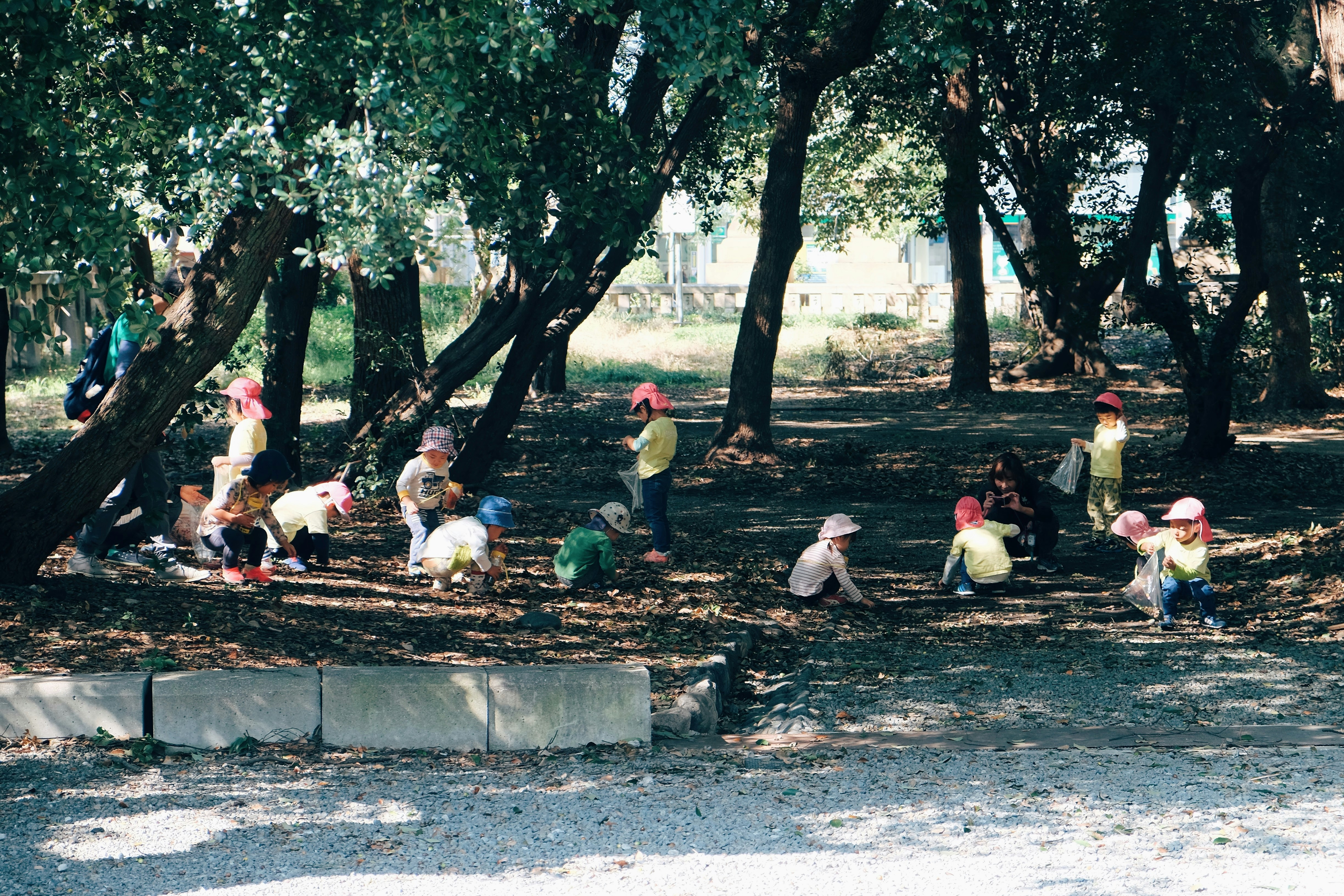
A successful school trip starts with thorough planning, with student safety and meaningful learning at the centre. Risk assessments and site visits take place before any journey, so teachers can spot potential issues early and put sensible precautions in place. Setting clear supervision ratios matters as well, making sure there are enough adults on hand to support the group and keep things running smoothly.
Teachers aren’t just organisers—they’re also experts in connecting each trip to classroom goals. When educators are involved throughout the process, they can build exciting, relevant programmes that match what students are learning back at school. This approach means activities feel purposeful and engaging, helping students get the most from each new experience.
Planning for risk continues right through to the final itinerary. Clear, practised emergency response plans make a real difference in handling unexpected situations. All trip leaders are first-aid trained and know exactly what to do in case something goes wrong, so everyone can feel secure both day and night.
By combining smart risk planning with active involvement from experienced teachers, schools create trips that are adventurous yet safe. Students are able to step outside their comfort zone, build confidence, and get stuck into real-world learning, all within a trusted, supportive framework.
Overcoming Barriers to Access
Schools often hit genuine snags when trying to bring outdoor learning into everyday lessons. It’s not just about finding a field and calling it a day: many face issues like how to get students there, not enough kit to go round, or simply no safe green space nearby. These obstacles are even tougher in busy cities or schools where cash is tight. On top of that, some communities might not have a strong tradition of spending time outdoors, so students feel unsure or even uninterested in joining in. Imagine being asked to camp or climb if you’ve never had the chance before—it’s easy to see why some might hold back.
Staffing and budgeting give senior leaders more to juggle too. If teachers aren’t trained or don’t have support, it can feel more like an extra headache than an opportunity. Short school days and full timetables add another layer, making it tricky to slot in anything new without something else giving way.
To make outdoor learning fair and accessible, there are some promising moves. Carrying out an equity audit can uncover where students are missing out and help guide next steps. Schools might start by taking lessons outside whenever possible, so being outdoors isn’t a treat, it’s just part of the week. Helping teachers grow their confidence through proper training means everyone is ready to lead activities safely and enthusiastically.
There’s real strength in teaming up with local parks, environmental charities, or community groups. Partnerships like these bring in new skills and can stretch resources further, letting schools run more meaningful outdoor sessions without blowing the budget.
Another key step is getting more backing for dedicated school staff, like a site coordinator to keep things organised. Setting up outdoor clubs gives students another way to get involved, making nature part of daily life even beyond lessons.
All of these solutions—together—can start breaking down barriers, giving every student a real shot at learning, exploring, and growing outside, no matter where they come from.