Why Water Purification is Non Negotiable
Survival in the wild hinges on one critical element: clean, drinkable water. While you can survive weeks without food, the clock starts ticking much faster when hydration is at stake.
The Fast Threat of Dehydration
The human body loses water constantly through sweat, breathing, and digestion
In hot or physically demanding environments, dehydration can set in within hours
Symptoms like fatigue, dizziness, and confusion escalate quickly if not addressed
Hidden Dangers in Natural Water
Even the clearest mountain stream can hide invisible threats that jeopardize your health:
Bacteria: Such as E. coli and Salmonella, which can trigger severe gastrointestinal illness
Parasites: Like Giardia and Cryptosporidium, known to cause diarrhea and dehydration
Chemicals: Runoff from agriculture or mining can lead to heavy metal or pesticide contamination
Never assume water is safe just because it looks clean.
Remember the Rule of 3
In survival scenarios, three is the number to know:
3 minutes without air
3 days without water
3 weeks without food
This puts clean water right at the top of your survival priority list. You need to source it quickly and purify it properly.
Understanding and respecting this balance can be the difference between making it out safely or facing a health emergency in the wild.
Spotting a Source: Where to Look First
Finding a water source in the wild is critical, but not all water is created equal. Before any purification begins, knowing where (and where not) to look for water can save time and could save your life.
Prioritize Flowing Water
Still water tends to harbor more bacteria, debris, and animal contaminants. Whenever possible, aim for sources with visible movement.
Streams and rivers are often safer than ponds and puddles
Look for clear, fast moving water over murky or stagnant spots
Higher elevation sources are generally cleaner than low lying ones
Last Resort Collection Methods
If no flowing water is available, think creatively but stay cautious. Some natural sources can offer emergency hydration when nothing else is available.
Snow and ice can be melted, but require energy (and some carry pollutants from the air)
Rainwater collection using tarps, ponchos, or leaf funnels can offer a clean alternative
Morning dew can be gathered with a cloth and wrung into a container time consuming, but viable
Areas to Avoid
Even clear looking water can be deceptive. Certain locations increase the risk of contamination and should be avoided if at all possible.
Near campsites or human activity potential for waste and chemical runoff
Close to animal trails or watering holes upstream contamination is likely
Downstream from farmland or industrial areas possible chemical and fertilizer pollution
Understanding where you gather water is the first step in effective purification. Choosing a smart source means less work for your filter and fewer health risks for you.
Core Purification Methods to Know On Sight
When you’re deep in the backcountry, clean water isn’t a luxury it’s survival. Here’s what actually works when you need to make sketchy water safe.
Boiling: This one’s your gold standard. Bring water to a rolling boil for at least one minute (or three at higher altitudes) and you’ll destroy bacteria, viruses, and parasites. It takes time and fuel, but it’s simple and effective when nothing else is available.
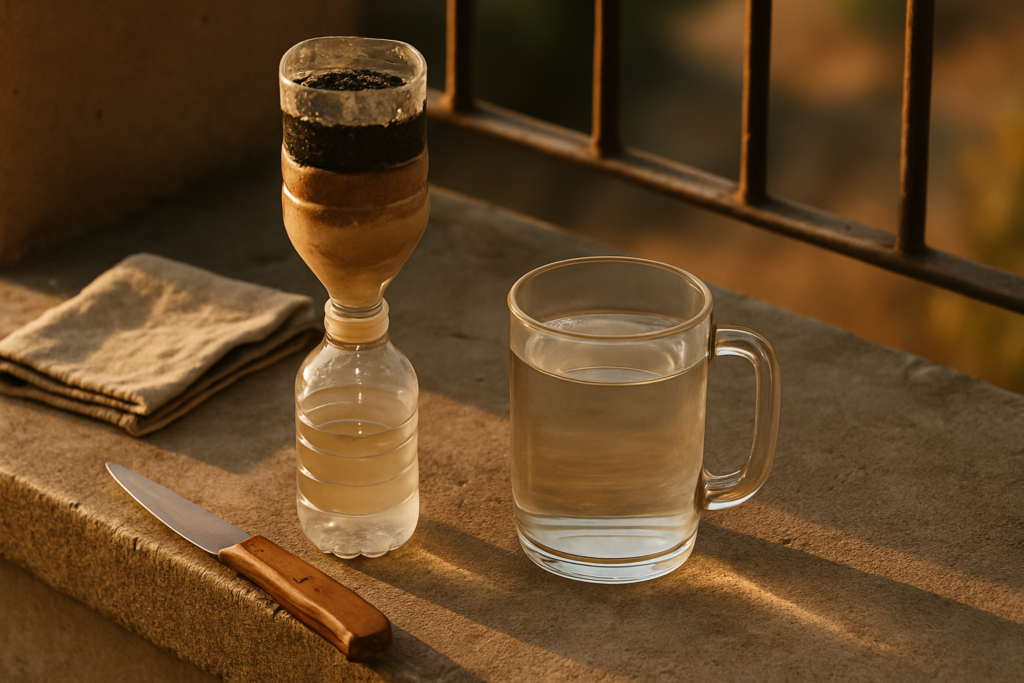
Filtration: Filters pull out the gunk you can see and the stuff you can’t. We’re talking dirt, microplastics, and protozoa. Pump filters work for groups; straw and squeeze style ones suit solo hikers. They won’t kill viruses, but they’re fast and dependable for many U.S. water sources.
Chemical Treatment: Compact and ultralight, iodine and chlorine tablets are a smart backup. Drop them in, wait around 30 minutes, and you’ve got drinkable water. The downside? Some leave a taste, and cold water slows them down.
UV Purifiers: These flashlight sized tools hit microbes with ultraviolet light, scrambling their DNA. They’re fast, slick, and don’t change the flavor but they rely on batteries and clear water only. Murky stuff still needs pre filtering.
Choosing the right method depends on where you are and what you’re trying to avoid. For a breakdown of the most reliable options, check out our curated list of the top water systems.
Choosing the Right Gear
When you’re depending on the wild for hydration, the gear you bring can make all the difference. Not all filters and purification systems are created equal choosing the right setup depends on where you’re going and what you expect to face.
Match Your Gear to the Threats
Before packing a system, ask yourself what you’re trying to eliminate:
Bacteria and protozoa: Common in most rivers, lakes, and streams
Viruses: More common in high human traffic zones or low sanitization environments
Sediment and debris: Found in murky or slow moving water
Different situations may call for different technologies (or combinations). Be realistic about your route and the risks.
Factoring in Weight and Speed
Backpackers and ultralight travelers should prioritize size and ease of use
Gravity filters or squeeze style filters offer quick access without batteries
UV purifiers are compact but require battery power and clear water to function
The right setup balances efficiency with your pack weight and the amount of water you’ll need to process daily.
Don’t Overlook Maintenance
In the backcountry, long term durability matters. Look for:
Filters with cleanable components or easy field maintenance
Long filter lifespans that won’t leave you stranded halfway through your trip
Even the toughest devices wear down over time, so routine cleaning and care are essential.
Pro Tip: Have a Backup
Even the best systems can fail. Always stash a backup form of purification in your kit:
Chemical tablets (iodine or chlorine) are compact and shelf stable
Boiling gear doubles as a cooking tool and fallback water treatment
You’ll thank yourself when your primary filter clogs, breaks, or gets lost.
For trusted recommendations, explore this up to date roundup of the top water systems built for outdoor survival.
Final Thoughts for Staying Hydrated and Safe
Treat Every Water Source as Potentially Contaminated
In survival settings, the clearest stream or calmest lake can still carry harmful microbes or pollutants. Never trust your instincts alone assume every source needs treatment.
Purify all water before drinking or cooking
Don’t rely on sight or smell to gauge safety
Even mountain runoff can host cryptosporidium or giardia
Time Matters: Purify Before Nightfall
Waiting until dark to source and treat water can be risky. Visibility decreases, temperatures drop, and fatigue sets in.
Scout for water during daylight hours
Begin purification before sunset to allow time for methods like boiling or chemical treatment
Carry a headlamp as backup, but don’t make it your main strategy
Make Water a Daily Survival Habit
Water shouldn’t be an afterthought it’s a consistent priority. Build sourcing and purification into your daily survival routine just like shelter, food, and fire.
Check your water stores at the start of each day
Set reminders to treat any new collections immediately
Keep gear accessible don’t bury filters or tablets deep in your pack
Clean water isn’t a luxury in the wild it’s a necessity. Treat it with the urgency and respect it demands.