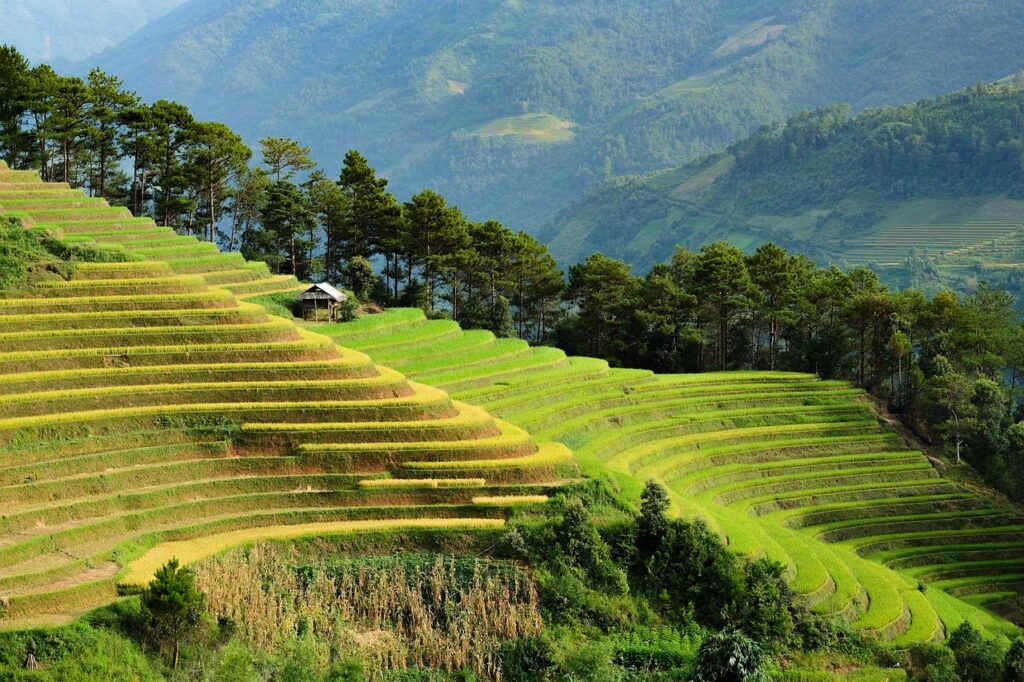
High Altitude Hotspots
Why Seasoned Adventurers Are Heading Above 3,000 Meters
Altitude is no longer a barrier it’s a destination. In 2026, experienced adventurers are increasingly targeting high elevation environments for the physical challenge, raw beauty, and unique solitude they offer. Peaks above 3,000 meters are drawing attention not just for their elevation, but for what they represent: untouched terrain and immersive, off grid experiences.
Key Motivations:
The allure of remote and lesser trekked landscapes
Growing desire to push physical and mental limits
Environmental awareness pushing travelers away from over touristed areas
New Routes Worth the Climb
Trailblazing has gone global. This year, new trekking routes are opening up in iconic mountain regions, giving high altitude hikers expanded options beyond the usual circuits.
Notable Additions:
Nepal: Greater access to the lesser known Dolpo region and eco conscious permits for Makalu Barun
Peru: A revitalized trail system in the Cordillera Blanca and lesser traveled alternatives to the Inca Trail in the Sacred Valley
These new routes offer fresh scenery, fewer crowds, and a deeper connection to local cultures and ecosystems.
Tech Forward Lodging & Gear Innovation
One reason high climbs are getting more accessible? Smarter gear and better infrastructure. Lightweight, high performance equipment means hikers can carry less without sacrificing safety. Meanwhile, modern mountain lodges are providing both comfort and sustainability even in remote zones.
Trends Making an Impact:
Compact all weather shelters with renewable energy sources
Portable oxygen kits for safer acclimatization
Eco responsible gear brands leveling the accessibility of alpine terrain
As we move into 2026, it’s clear: the future of adventure is looking up literally.
Off Grid Arctic Expeditions
Greenland and Svalbard aren’t just icy names on a map anymore they’re front and center on the bucket lists of elite adventurers. Once logistically complex and wildly unpredictable, these regions are seeing more stable windows for travel thanks to shifting climate patterns. Glacial retreats and warmer summers are unlocking routes, valleys, and coastline that have been nearly impossible to reach in decades past. For some, it’s a concern. For pros, it’s a rare invitation to witness untouched terrain before it shifts again.
But polar terrain doesn’t tolerate carelessness. Traveling here requires a straight laced approach. Polar bear safety isn’t an Instagram caption it’s survival. Hire experienced local guides. Choose outfitters with a track record, not trending hashtags. Know your gear cold. This isn’t the place for duct tape repairs and borrowed boots.
Sustainability matters, too. These ecosystems are fragile. Stick to marked paths, pack out everything, and support researchers or local groups when possible. In the Arctic, the adventure isn’t just about getting there it’s about leaving no trace when you go.
Cultural Thrills in Unexpected Regions
Adventure is evolving. It’s no longer just summits and sweat. For many travelers, the real thrill now lies in cultural immersion learning stories on the move, connecting with locals, and taking the slow path through places that rarely make Instagram’s front page.
That’s why destinations like Georgia, Uzbekistan, and northern Vietnam are climbing the adventure radar for 2026. These regions offer a “culture plus challenge” mix: think multi day hikes through the Caucasus Mountains with stops in ancient stone villages, camel treks along remnants of the Silk Road, or sharing bowls of pho in stilt houses after a jungle day trek.
It’s not soft travel. You’re still carrying a pack, navigating remote trails, and contending with weather. But you’re also sleeping in homes, not hotels. Listening more than broadcasting. The rewards go beyond panoramic views they’re personal, and often harder to capture on camera.
This trend isn’t a gimmick. It’s about rethinking what counts as adventure. And for many seasoned travelers, blending physical grit with real human connection hits deeper than one more summit selfie.
Aquatic Extremes: Beyond the Standard Dive

If you thought diving was just reefs and wrecks, think again. Cave diving in Yucatán’s cenotes offers glass clear freshwater, eerie underwater tunnels, and surreal light beams slicing through the limestone. It’s not for beginners it takes buoyancy control, certification, and solid nerves but the payoff is otherworldly. On the opposite end of the spectrum, ice diving in Finland adds cold, silence, and an alien beauty under frozen lakes. It’s minimal visibility, maximum thrill, and requires serious prep, including drysuit training and a skilled dive team.
For those who like their water wild but above the surface, advanced kayaking expeditions are picking up traction. Rivers in Patagonia and Papua New Guinea are raw, remote, and rarely paddled requiring self sufficiency, some whitewater experience, and an adventurous spirit. You’ll camp under stars, deal with unpredictable weather, and meet very few people. That’s the appeal.
Before signing up for any underwater or aquatic heavy trip, know what you’re getting into. These aren’t just Instagram shots they’re technical adventures. Check your certifications, train in advance, and vet your guides. The pros aren’t just thrill chasing they’re calculated, prepared, and always respect the water.
Urban Adventure is Back with a Twist
Urban exploration is having a moment again but it’s not just about graffiti streaked tunnels or rooftop views for the ‘gram. In cities like Seoul, Mexico City, and Cape Town, a new wave of pros are mapping out trails on city edges and testing limits with rooftop parkour. Think vertical movement, improvised routes, and hidden green corridors that merge concrete and nature.
Seoul’s growing interest in high line rooftops and stairway circuits lets locals and travelers chase elevation without leaving town. Mexico City’s eco revitalized canals and old railway paths are drawing weekend trail runners and micro adventurers. And in Cape Town, hikers are blending structured trails with street level exploration, heading just beyond the tourist routes to find unexpected views and open air spots.
But these aren’t playgrounds. Urban terrain comes with risks: unstable structures, private property, and unpredictable traffic. Pros emphasize the basics know local laws, always scout in daylight first, and skip the stunt for views mentality. Gear up smart, move with purpose, and treat the city with the same respect you’d give a remote peak. In 2026, adventure doesn’t have to mean far off grid. Sometimes, the wildest views are just a stairwell away.
Must Visit Tours Selected by the Pros
If you’re tired of clicking through the same travel blogs with recycled lists, this one’s different. These trips are handpicked by pro adventurers people who’ve crossed deserts, trekked untouched mountain passes, and know when a tour is the real deal versus just good marketing.
Some standouts include a multi day river expedition in the Papua New Guinea highlands, a guided trek across Georgia’s Greater Caucasus with local alpinists, and a nomadic style desert journey through Algeria’s Hoggar Mountains. These aren’t your typical itineraries and that’s the point. They’re the kind of trips curated for people who want experience over convenience.
Many of these tours are run by on the ground experts or supported by local guides trained for remote conditions. That means depth, safety, and the kind of tough magic you won’t find on a cruise or resort break.
It’s worth checking the full set of recommendations in the guide: must visit adventure tours.
How to Plan for 2026 Now
Planning ahead has always been smart, but for 2026 it’s essential. With travel demand rising rapidly and adventure destinations becoming increasingly specialized, booking early can be the difference between landing a dream trip or missing out entirely.
Why Early Booking Matters More Than Ever
Limited Availability: Niche tours, remote lodges, and specialty guides often get booked out a year in advance.
Rising Costs: Waiting might mean dealing with price hikes especially as demand increases post peak seasons.
Permit Pressure: Popular trekking routes and protected regions now enforce stricter access regulations, with quotas filling up fast.
Navigating a Changing World
Global conditions are shifting and adventurers need to be more informed than ever. From unpredictable weather to evolving political situations, adaptability is the name of the game.
Climate Considerations: Melting glaciers, rising temperatures, and altered migration patterns affect timing and accessibility.
Political Landscape: Stay updated with local advisories and geopolitical developments before locking in plans.
Health Safety: Even in a post pandemic world, understanding healthcare access in remote areas is part of basic preparedness.
Your Toolkit for Smart Trip Planning
Don’t go it alone: use expert vetted tools and resources to refine your plans.
Adventure Platforms like TrailLust Wander offer curated guides and verified tour options. Explore their recommendations for 2026 adventures: must visit adventure tours.
Trip Planning Tools such as Rome2Rio, WeatherSpark, and Gaia GPS help visualize transit, weather trends, and trails.
Community Advice: Join adventure forums and social communities for real time updates and tips from seasoned travelers.
Stay proactive, stay flexible, and you’ll be ready to make the most of 2026’s incredible adventure potential.